
The Nature of Luck in Gambling
Luck is often perceived as a mystical force that influences the outcome of gambling activities. Players believe that sheer chance determines whether they win or lose, leading to a romanticized view of luck as an unpredictable element in games of chance. Psychologically, this belief in luck may offer players a sense of empowerment, allowing them to feel that they can influence their fate through various strategies, including those found at betting sites that provide insights into probabilities. However, this perception can blur the lines between actual probability and perceived chance, creating a complicated relationship between luck and outcomes in gambling.
In reality, luck is a statistical concept heavily influenced by probability. Each gambling game has specific odds that determine the likelihood of winning, with some games being more volatile than others. For instance, games like poker involve skill and strategy, where players can make calculated decisions to enhance their chances of winning. On the other hand, games such as slot machines rely entirely on chance, with outcomes generated randomly. Understanding these distinctions helps players navigate the gambling landscape more effectively, reducing their reliance on luck as a guiding force.
Additionally, the concept of luck can vary significantly from one player to another. Some players may experience winning streaks, leading them to believe they have discovered a lucky pattern, while others may face prolonged losses despite employing similar strategies. This psychological aspect demonstrates that while luck can feel quantifiable based on personal experiences, it remains inherently abstract and elusive. Ultimately, luck is often overridden by the mathematical realities underpinning gambling games, highlighting the need for a deeper understanding of the odds involved.
The Role of Probability in Gambling
Probability serves as a critical component in understanding the framework of gambling. Each game, whether it involves cards, dice, or spinning wheels, carries with it a specific set of rules that dictate the probabilities of different outcomes. For example, in roulette, the chances of landing on a particular number are determined by the total number of possible outcomes, revealing that randomness is an integral part of the equation. By grasping the fundamental principles of probability, players can gain insight into the inherent risk associated with their bets and make more informed decisions.
While some betting strategies claim to enhance the chances of winning, they often do not alter the underlying probabilities of the games themselves. In sports betting, for instance, various factors like team performance, injuries, and weather conditions can affect outcomes, but ultimately, the result remains unpredictable. Understanding how probability works can empower players to move away from the whims of luck and make rational decisions based on statistical analysis rather than emotional responses.

Moreover, gamblers should be aware of concepts such as expected value, which is a calculated average of potential outcomes based on their probabilities. This allows players to evaluate their betting strategies more effectively. By quantifying luck through a lens of probability, individuals can shift their focus from mere chance to a more analytical approach. Understanding the expected value of bets encourages a more strategic mindset, ultimately improving the gambling experience and minimizing losses over time.
Luck vs. Skill: A Delicate Balance
The interplay between luck and skill creates a complex narrative in gambling, where some games heavily favor skill while others rely almost entirely on chance. In skill-based games like poker, players can improve their winning probability through strategizing, reading opponents, and managing bankrolls effectively. This involvement of skill suggests that luck is not the sole determinant of success, as consistent players can achieve better results over time. Their ability to analyze situations and make informed decisions effectively quantifies their skill level in contrast to mere luck.
On the flip side, games like slots or roulette offer little to no room for skill application. The outcomes are determined by random number generators or the physics of spinning wheels, making it challenging to develop strategies that increase one’s chances of winning. Here, luck reigns supreme, as each spin is an independent event with no influence from previous outcomes. This stark difference emphasizes the need for players to recognize which games are based more on luck versus those that allow for skillful play.
This balance between luck and skill also reflects the emotional aspects of gambling. A skilled player may feel more in control of their outcomes, attributing success to their capabilities rather than luck. Conversely, players reliant solely on luck may experience more volatility in their gameplay, feeling elated with a win while suppressing frustration from losses. Understanding where luck ends and skill begins is crucial for anyone involved in gambling to manage expectations and emotions accordingly, leading to a healthier gaming experience.
The Psychology of Luck in Gambling
The psychology surrounding luck in gambling plays a vital role in shaping players’ experiences and decisions. Many gamblers develop cognitive biases, such as the illusion of control, where they believe they can influence random events through their actions. This mindset can lead to distorted perceptions of reality, where players attribute wins to their skill rather than the inherent randomness of the game. Such beliefs can perpetuate continued gambling, often leading to negative consequences like addiction and financial strain.
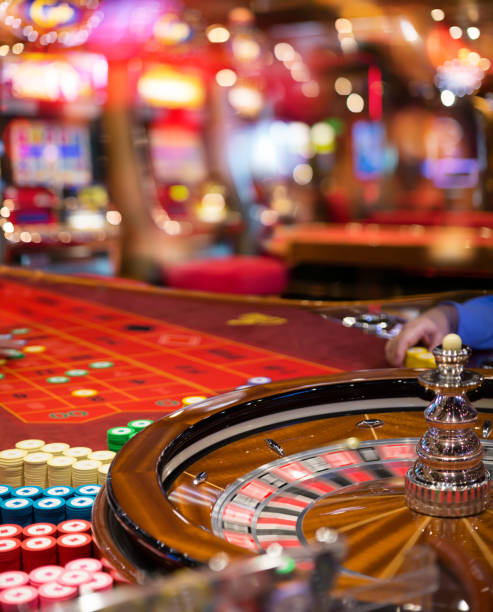
Furthermore, the concept of “hot” and “cold” streaks can heavily influence a player’s behavior. When someone wins multiple times in succession, they may feel that luck is on their side, prompting more aggressive betting. Conversely, after a series of losses, players might perceive themselves as unlucky and rethink their strategies. This emotional rollercoaster illustrates how perception can skew the understanding of luck in gambling, often leading players away from rational decision-making.
Ultimately, bridging the gap between perception and reality is vital for responsible gambling. Players must recognize that their emotions can cloud their judgment, leading to decisions driven by the idea of luck rather than rational analysis of risk and reward. By fostering a balanced understanding of luck, probability, and psychology, gamblers can make more informed choices that lead to healthier gambling practices, reducing the risk of developing harmful gambling habits.
Exploring Responsible Gambling Resources
As the conversation around luck and gambling continues to evolve, it is crucial to highlight resources that promote responsible gambling. Various organizations provide educational materials, tools, and support systems to help individuals navigate the complex world of gambling. These resources emphasize the importance of understanding both luck and skill. By equipping players with knowledge and resources, these organizations aim to foster a safer gambling environment that prioritizes player well-being.
Responsible gambling initiatives often focus on empowering players to recognize their emotional responses and the psychological influences of their gambling habits. Promoting self-awareness can significantly reduce harmful behaviors associated with gambling. Many websites offer tools to help track spending, set limits, and identify patterns that may indicate problematic gambling behaviors. These resources allow players to take control of their gambling activities, ensuring that their experiences remain enjoyable and within healthy boundaries.
By visiting responsible gambling websites, players can find a wealth of information on understanding the dynamics of luck and skill in gambling. These resources are designed to provide insights into maintaining a healthy balance between enjoyment and risk, ultimately helping individuals make better decisions in their gambling pursuits. By fostering an environment of education and awareness, the gambling community can work towards mitigating the negative impacts of gambling while encouraging a responsible approach to gaming.