
The allure of chance
The thrill of uncertainty is at the heart of gambling psychology. The unpredictability of outcomes can create a surge of adrenaline that many find irresistible. When players engage in games of chance, such as spinning the roulette wheel or drawing cards, they experience a heightened sense of excitement and anticipation. This stimulation transcends the actual monetary stakes and is rooted more in the emotional highs associated with the potential for a win, particularly in venues like no kyc casinos where the experience is designed to amplify those feelings. For many, this exhilarating experience serves as a primary motivator to play, highlighting the psychological aspect of risk-taking behavior.
The allure of chance is intricately linked to our innate desire for achievement and competition. Players often perceive each game as a personal challenge where they can test their skills, intuition, and luck against the odds. This competitive nature fuels engagement, with players feeling a sense of empowerment when they make decisions that could potentially lead to winning outcomes. Consequently, the psychology behind gambling is about more than just the games themselves; it encompasses the personal experiences, emotional stakes, and thrill-seeking behaviors that each player seeks to fulfill.
The environment of a casino amplifies this thrill substantially. Bright lights, vibrant sounds, and a festive atmosphere create an engaging sensory experience that draws individuals in. This carefully crafted ambiance is designed to encourage players to lose track of time and immerse themselves fully in the gambling experience. Every detail, from the layout of the gaming floor to the sounds of coins clinking, is meticulously orchestrated to heighten excitement and make the prospect of winning feel even more attainable. Thus, the interplay of psychology and environment plays a vital role in understanding why people are irresistibly drawn to casinos.
The role of reward systems
At the core of gambling psychology lies an intricate reward system that significantly influences behavior. The concept of intermittent reinforcement is particularly relevant; players may not win every time they gamble, but the sporadic wins reinforce the behavior, making them more likely to return for another chance. This unpredictable pattern of rewards creates a strong psychological connection, leading players to continue investing time and money in pursuit of another win. The thrill of winning, even if it occurs infrequently, can often overshadow the losses, driving players back to the gaming tables and machines.
The way winnings are presented can also boost a player’s motivation and emotional response. For instance, players often experience heightened joy when they win a jackpot or receive a payout in coins rather than bills. This sensory feedback creates a more profound sense of accomplishment and encourages players to chase that feeling again. By understanding how reward systems function, casinos can effectively employ strategies that keep players engaged and invested in their games, ensuring a dynamic and exciting gambling environment.
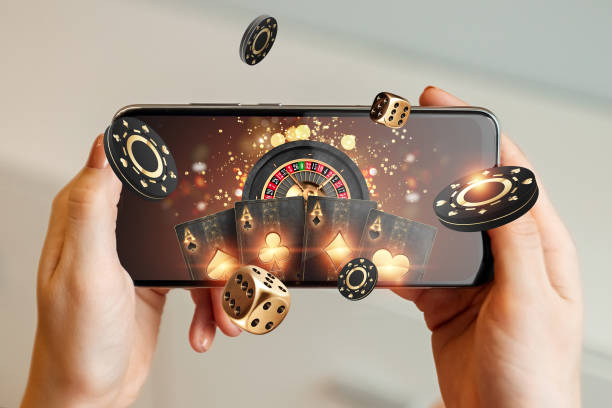
This psychological principle extends beyond physical casinos and into the realm of online gaming platforms. Digital casinos employ similar tactics, such as pop-up notifications and celebratory animations, to enhance the player’s experience. These elements serve as constant reminders of the potential rewards, making the virtual environment just as engaging and stimulating as a physical one. By leveraging these insights into human psychology, both types of establishments can significantly influence gambling behavior and maintain player interest over time.
The impact of social interaction
Social interaction plays a crucial role in the gambling experience, providing a sense of community and shared excitement that enhances overall enjoyment. Many individuals find pleasure in the camaraderie built while gambling with friends or even strangers. The conversations, laughter, and shared moments can make the gambling experience more memorable and enjoyable, often outweighing any financial motives. This social aspect highlights the emotional connections formed in these environments, leading to a greater sense of fulfillment that transcends the act of gambling itself.
Casinos recognize the importance of socializing and often design their gaming areas to promote interaction among players. Games like poker and blackjack encourage cooperation and competition, fostering an environment where social bonding can flourish. This design aspect ensures that players often return not just for the chance to win money but for the communal experience that comes with it. The psychological benefit of social interaction can be a compelling reason for individuals to visit casinos, as it satisfies both their desire for entertainment and their need for social connection.
Furthermore, online gambling platforms are increasingly incorporating social features to replicate the in-person experience. Features such as live dealers and interactive chat rooms allow players to engage with others, creating a sense of presence and community within the digital space. These innovations enhance the overall online gambling experience, making it more appealing to those who thrive on social interaction and community engagement. By fostering these connections, online casinos can draw in a broader audience and enrich the gambling experience in a digital landscape.
The influence of cognitive biases
Cognitive biases play a significant role in shaping how individuals perceive the gambling experience, often leading to distorted beliefs about winning and losing. One prevalent bias is the gambler’s fallacy, where players mistakenly believe that previous outcomes influence future results. For example, if a roulette wheel has landed on red multiple times in succession, a player might incorrectly assume that black is “due” to occur next. This flawed reasoning can drive players to make irrational decisions based on misconceptions, illustrating the powerful influence cognitive biases have on gambling behavior.

Another cognitive bias impacting gamblers is the illusion of control. Many players believe they can influence the outcome of a game through skill or strategy, despite the inherently random nature of most games. This belief can lead to overconfidence, prompting players to engage in riskier betting behaviors or to continue playing even after experiencing substantial losses. The illusion of control can create a psychological trap that is difficult to escape, as players seek to validate their beliefs through continued play.
Addressing these cognitive biases is essential for understanding gambling behavior and its implications. By raising awareness of these psychological patterns, individuals may be able to make more informed decisions regarding their gambling habits. Educational initiatives aimed at highlighting the impact of cognitive biases can help encourage more responsible gambling practices. Ultimately, understanding these biases can promote a healthier relationship with gambling and reduce the risk of developing problematic behaviors.
Understanding responsible gambling
As the allure of gambling continues to captivate many, understanding the psychology behind it becomes increasingly vital for promoting responsible habits. Individuals need to recognize the triggers that lead to excessive gambling and understand the psychological mechanisms at play. By fostering awareness of potential pitfalls, players can make informed choices about their gambling activities and set limits to protect themselves from harmful behaviors. This self-awareness is crucial for maintaining a balanced approach to gambling.
Establishing personal boundaries is a fundamental aspect for anyone who participates in gambling. This can include setting monetary limits, time constraints, or even taking breaks when feeling overwhelmed. Encouraging responsible gambling practices not only benefits the individual but also enhances the overall gaming experience. As players learn to navigate their behaviors more effectively, they can enjoy gambling as a form of entertainment rather than a harmful compulsion that negatively impacts their lives.
Various organizations and websites are dedicated to promoting responsible gambling, offering tools and resources to help individuals stay within their limits. These platforms provide educational materials, support networks, and strategies that empower players to make wise decisions. By increasing awareness and providing essential resources, the gambling industry can contribute to creating a safer environment for all players, fostering a healthier relationship with gambling while allowing for enjoyment and excitement within the activity.